
How Long Does Cooked Pasta Last in the Fridge? With and Without Sauce
Cooked pasta keeps 3–4 days in the fridge, per USDA, plain or with sauce. How to store it, reheat it, freeze it, and when to throw it out.
NTRLY Team
Editorial
6 min read
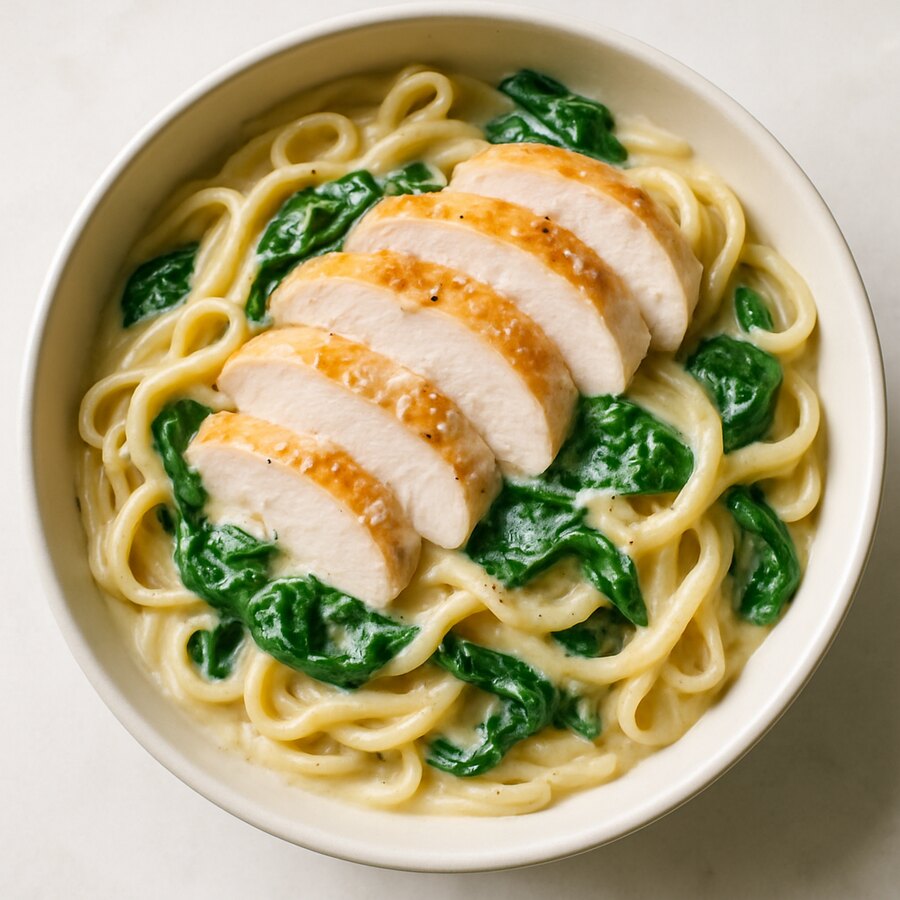
Cooked pasta lasts 3 to 4 days in the refrigerator at 40°F or colder. That's the window the USDA Food Safety and Inspection Service gives for dried pasta after cooking in its Shelf-Stable Food Safety guide, and it matches USDA's general rule for leftovers. Get it into the fridge within 2 hours of cooking. If you won't eat it within four days, freeze it.
Pasta feels like a safe food because the dry box lasts for years in the pantry. Once it's cooked, though, it's a moist, starchy leftover like any other. Here's how the rule works for plain pasta, pasta in sauce, pasta with chicken or meat, pasta salad and meal prep.
The short answer
Cooked pasta, plain or with sauce, fridge (40°F or below): 3 to 4 days. Cooked pasta and other leftovers, freezer (0°F): 3 to 4 months, per USDA, though pasta has the best texture when you use it sooner. Macaroni salad and other pasta salads: 3 to 5 days, per USDA's Refrigeration and Food Safety chart. On the counter: no more than 2 hours, or 1 hour above 90°F, per USDA's "Danger Zone" guidance.
Frozen food kept at 0°F stays safe indefinitely, according to USDA's Freezing and Food Safety page. The freezer times are about quality. Pasta goes soft and grainy if it sits frozen too long.
Plain pasta vs. pasta with sauce
Plain cooked pasta with no sauce follows the 3-to-4-day rule. Toss it with a teaspoon of olive oil before you refrigerate it so the noodles don't fuse into one block, and store it in a shallow, airtight container.
Pasta with sauce also gets 3 to 4 days, but the sauce can shorten it. A mixed dish goes by its shortest-lived ingredient. Tomato sauce and pesto pasta fit the usual window. Cream and cheese sauces, such as alfredo or mac and cheese, are also 3-to-4-day leftovers, but they tend to separate and dry out, so they taste best in the first day or two.
If you cook pasta and sauce for several meals, store them separately when you can. The pasta stays firmer, and you can freeze the sauce on its own.
Pasta with chicken, meat or seafood
Pasta with chicken, sausage or meat sauce is a 3-to-4-day leftover, the same as the meat on its own. See how long cooked chicken lasts in the fridge and how long ground beef lasts in the fridge for the details on each. For shrimp and other seafood, the FoodSafety.gov Cold Food Storage Chart gives cooked fish and shellfish 3 to 4 days as well.
Pasta salad
USDA lists homemade or store-prepared macaroni salad at 3 to 5 days in the fridge. Keep it cold the whole time. A pasta salad that sat on a picnic table all afternoon counts as food left out, so the 2-hour rule (1 hour on a hot day) decides whether it goes back in the cooler, not the date you made it. If yours has chopped egg in it, see how long hard-boiled eggs last in the fridge.
Can you eat pasta that's been in the fridge for 5 days or a week?
This is one of the most searched pasta questions. USDA's guidance stops at 4 days for cooked pasta. Pasta on day five, six or seven is outside what food safety agencies recommend, even if it looks and smells normal. Bacteria that cause food poisoning usually don't change how food looks, smells or tastes, so the date is the better guide.
Starchy foods like pasta and rice can also carry Bacillus cereus, a bacterium whose spores survive boiling. If cooked pasta cools slowly or sits out at room temperature, the spores can grow and make a toxin that reheating doesn't destroy. A review of Bacillus cereus toxins on the NIH's PubMed Central notes that this type of food poisoning is mainly linked to starchy foods such as rice and pasta. That's why cooling pasta quickly matters as much as the day count. The same issue applies to cooked rice in the fridge.
How to store cooked pasta
Cool it fast. Drain it, and if it's a big batch, spread it out on a sheet pan or in a wide container for a few minutes, then refrigerate it. Hot food can go straight into the fridge. You don't need to wait for it to reach room temperature.
Use shallow containers. USDA recommends dividing large amounts of leftovers into small, shallow containers so they chill quickly. A deep pot of pasta in sauce can stay warm in the middle for hours.
Cover it. An airtight container or a zip-top bag with the air pressed out keeps pasta from drying out and picking up fridge smells. Leaving it uncovered doesn't extend the safety window, and it will be dry and hard by the next day.
Label it. Write the date on the lid. Day three looks exactly like day one.
How to freeze cooked pasta
Pasta freezes well if you undercook it slightly, by a minute or two, so it doesn't turn mushy when you reheat it. Cool it, toss it lightly with oil, and freeze it flat in portion-size freezer bags. Baked dishes like lasagna and baked ziti freeze especially well, whole or in slices.
Thaw it in the fridge overnight, or drop frozen plain pasta straight into boiling water for about a minute. Our guide to freezing almost anything covers the rest of your freezer.
How to reheat leftover pasta
Reheat leftovers to 165°F, measured with a food thermometer, per USDA. In the microwave, add a splash of water or sauce, cover the dish, and stir halfway through so there are no cold spots. On the stove, warm it in a pan with a little water, broth or sauce. For plain pasta, a quick dip in boiling water brings it back in under a minute.
Cold pasta straight from the fridge, like pasta salad, is fine to eat as long as it was cooled quickly and stayed cold.
How to tell if cooked pasta has gone bad
Throw pasta out if you see mold, notice a sour or off smell, or it feels slimy. But don't use the absence of those signs as a reason to keep pasta past day four. Pasta that seems fine can still carry bacteria, so when in doubt, throw it out.
Quick ways to use it up
Leftover pasta turns into a new meal fast. Two ideas from our recipe collection: pasta aglio e olio with spinach, a quick pan sauce of garlic and olive oil, and a caprese pasta salad for cold noodles. For more ways to turn leftovers into dinner, see Leftovers Worth Looking Forward To.
Keeping track without remembering dates
Four days goes by quickly, especially when you meal prep. NTRLY's Kitchen keeps your fridge, freezer and pantry in one list, with a countdown on each item based on USDA storage guidance and a reminder while there's still time to eat it or freeze it. If you prep for the whole week, our guide to meal prep that actually sticks shows how to split a batch between the fridge and the freezer.