
How Long Does Cooked Chicken Last in the Fridge?
Cooked chicken keeps 3–4 days in the fridge, per USDA. What that means for meal prep, rotisserie chicken and takeout, plus how to freeze and reheat it.
NTRLY Team
Editorial
6 min read
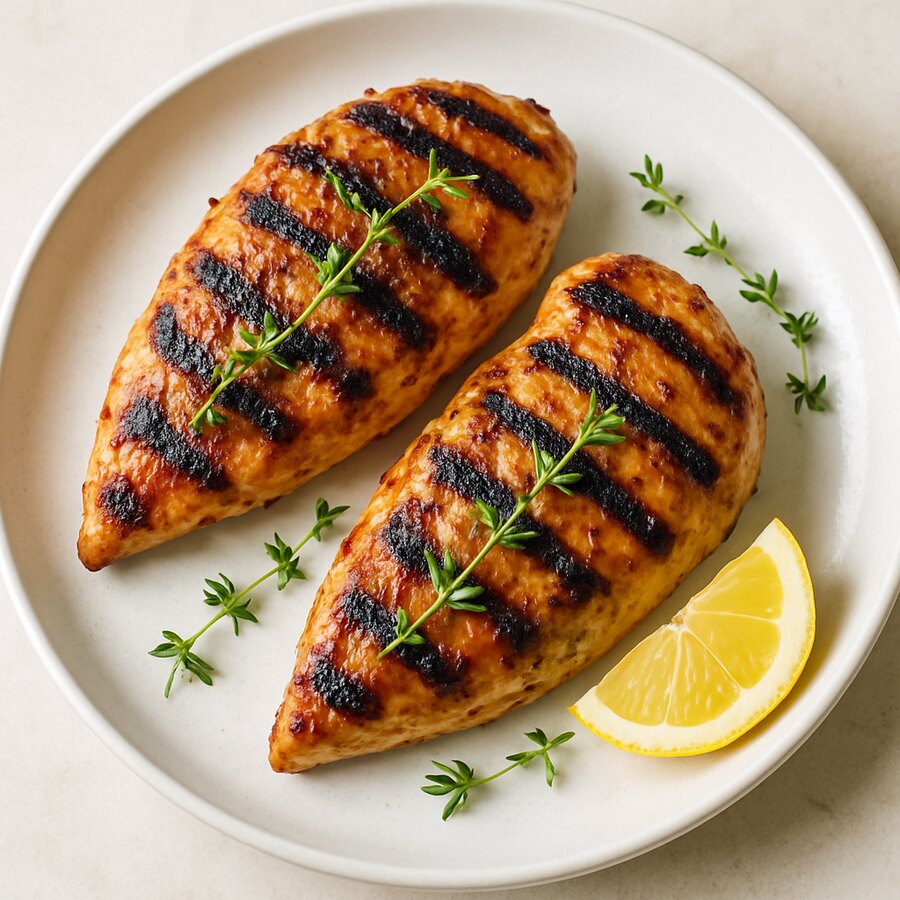
Cooked chicken lasts 3 to 4 days in the refrigerator at 40°F or colder. That is the window the USDA Food Safety and Inspection Service gives in its Chicken from Farm to Table guide, and it applies to plain cooked chicken, chicken casseroles and chicken pieces in broth or gravy. If you won't eat it by day four, freeze it.
That one number answers most questions, but the details matter: when the clock starts, what changes for rotisserie and takeout chicken, and what to do if you meal prep for five days. Here's the practical version.
The short answer
In the fridge (40°F or below): 3 to 4 days. In the freezer (0°F): about 4 months for best quality for plain cooked chicken, and 4 to 6 months for chicken casseroles, soups and dishes, per the same USDA guide. USDA's Freezing and Food Safety page explains that food kept frozen at 0°F stays safe indefinitely, so the freezer times are about taste and texture, not safety. On the counter: no more than 2 hours in total, or 1 hour above 90°F, per USDA's "Danger Zone" guidance.
For comparison, raw chicken keeps only 1 to 2 days in the fridge. Cooking it buys you a couple of extra days, not a week.
When the clock starts
Count from the day the chicken was cooked, not the day you put it in a new container or the day you first ate some. Moving leftovers into a fresh dish doesn't reset anything.
The two-hour rule comes first. If cooked chicken sat out on the counter, the table or in a warm car for more than two hours before it was refrigerated, USDA's advice is to throw it out. Bacteria multiply fastest between 40°F and 140°F, and the fridge only slows them down. It doesn't undo what happened before.
Rotisserie chicken and takeout
Store-bought rotisserie chicken follows the same rule once it's home: 3 to 4 days in the fridge. USDA's guide to safe handling of take-out foods says hot ready-to-eat food should be eaten or refrigerated within two hours. In practice, that means the drive home and dinner both count toward those two hours.
Rotisserie chicken is easiest to store if you take it off the bone soon after dinner. Pull the meat, pack it in shallow containers and refrigerate it. The carcass can go straight into a pot for broth, or into the freezer for a later batch.
Takeout chicken counts from the day you picked it up, because you don't know how long it was held before that. When in doubt, use the short end of the window.
Meal prep: what about 5 days?
This is the most common question, and the honest answer is that USDA's guidance stops at 4 days. Chicken on day five isn't automatically going to make you sick, but it's outside the window food safety agencies recommend, and you can't tell by looking.
The simple fix is to split the batch. Refrigerate the portions for the first three or four days, and freeze the rest on cooking day. Move a frozen portion into the fridge the night before you need it and it will be thawed by lunch. It's the same chicken, it stays inside the guidance, and it costs nothing extra. Our guide to meal prep that actually sticks walks through planning a week this way.
Does a sealed or vacuum-sealed container make it last longer?
An airtight container keeps chicken from drying out and from picking up other smells in the fridge, which is why it's the right way to store it. But it doesn't change the 3-to-4-day guidance. Many of the bacteria that matter don't need much air to grow, so a tight lid or a vacuum-sealed bag is about quality, not extra days.
Factory-sealed packs of fully cooked chicken (strips, shredded chicken and similar) are different. They're processed and packaged to last longer, so follow the date on the package while it's unopened. Once you open it, treat it like any other cooked chicken.
How to cool and store cooked chicken
Get it cold quickly. USDA's leftovers guidance recommends dividing large amounts into small, shallow containers so they chill fast. A whole roast chicken or a deep pot of chicken soup can stay warm in the middle for hours, even in the fridge. Cut a whole bird into pieces or pull the meat before refrigerating.
Hot food can go straight into the fridge. You don't need to let it reach room temperature first. That's a common myth, and waiting only adds time in the danger zone.
Check your fridge. USDA recommends keeping the refrigerator at 40°F or below. An inexpensive appliance thermometer is the only way to know, because the fridge's dial doesn't show a temperature.
Label the container with the cooking date. By day three, you won't remember.
Freezing cooked chicken
Cooked chicken freezes very well, especially shredded or sliced. Cool it first, then pack it in freezer bags with the air pressed out, flattened so it freezes and thaws quickly. Portion it by meal so you only thaw what you'll use.
Thaw it in the fridge, in cold water, or in the microwave. Once thawed in the fridge, use it within 3 to 4 days. If you thawed it in cold water or the microwave, cook or reheat it right away. Our guide to freezing almost anything covers the rest of your freezer.
How to reheat cooked chicken safely
Reheat leftovers to 165°F, the temperature USDA recommends for all leftovers. A food thermometer in the thickest piece is the only reliable check. In the microwave, cover the dish, add a splash of water or broth so the meat doesn't dry out, and stir or turn it halfway through so there are no cold spots.
Reheat only what you're going to eat. Each round of warming and chilling gives bacteria another chance to grow, so it's better to warm a single portion than to reheat the whole container every day.
Cold chicken is fine too. If it was cooked properly and refrigerated in time, you can eat it straight from the fridge in a salad or sandwich within the same 3 to 4 days.
How to tell if cooked chicken has gone bad
Throw it out if it smells sour or off, feels slimy or sticky, or shows any mold. But passing the smell test doesn't make chicken safe. The CDC notes that chicken is a common source of food poisoning, and the germs responsible usually don't change how food looks or smells. Go by the date and the two-hour rule. If it's past day four or it sat out too long, throw it out.
Good ways to use leftover chicken
Day-two chicken is great for meals where it doesn't need to be the star. Shred it into a salad, a wrap, fried rice or soup. Two quick options from our recipe collection: cilantro lime chicken salad and spicy chicken and avocado salad. If you're pairing it with rice, the same timing questions apply. See how long cooked rice lasts in the fridge.
Keeping track without remembering dates
The 3-to-4-day rule is easy. Remembering which day you cooked is the hard part. NTRLY's Kitchen keeps your fridge, freezer and pantry in one list, with a countdown on each item based on USDA storage guidance and a reminder while there's still time to eat or freeze it. More ideas for using what you have are in Leftovers Worth Looking Forward To.