
A Practical Guide to Freezing Almost Anything
Freezer burn isn't inevitable and thawing isn't a mystery. What freezes well, what doesn't, and how long things really keep.
The NTRLY Team
Digital Summit LLC
7 min read
A freezer is the most underused appliance in most kitchens. It is treated as long-term storage for things bought frozen, when its real value is as a pause button for food you already own and cannot eat this week.
Freezing damages food in two ways. Ice crystals puncture cell walls, which is why a thawed strawberry is limp — and why fast freezing, which produces smaller crystals, does less harm. And moisture escapes from exposed surfaces into the freezer air, which is what freezer burn is: dehydration, not spoilage. Freezer-burned food is safe, just dry and off-tasting.
Both problems have the same answer: remove air and freeze quickly. Portion food thin and flat, press out air before sealing, and leave space around items until they are solid rather than stacking them warm. A flat frozen bag also thaws in a fraction of the time of a block.
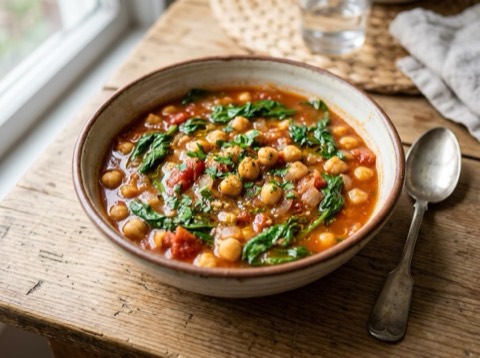
What freezes beautifully: raw meat and fish, bread and dough, hard cheese for cooking, butter, stock, soups and stews, cooked grains and beans, most berries, bananas, roasted vegetables, herbs frozen in oil in an ice-cube tray, tomato paste in tablespoon portions, and egg whites.
What does not: anything with high water content eaten raw — lettuce, cucumber, whole tomatoes, melon. Cream-based sauces and plain dairy can separate. Boiled potatoes turn grainy. Fried food loses its crunch. Mayonnaise separates for good. Soft cheeses become crumbly, though they remain fine in a cooked dish.
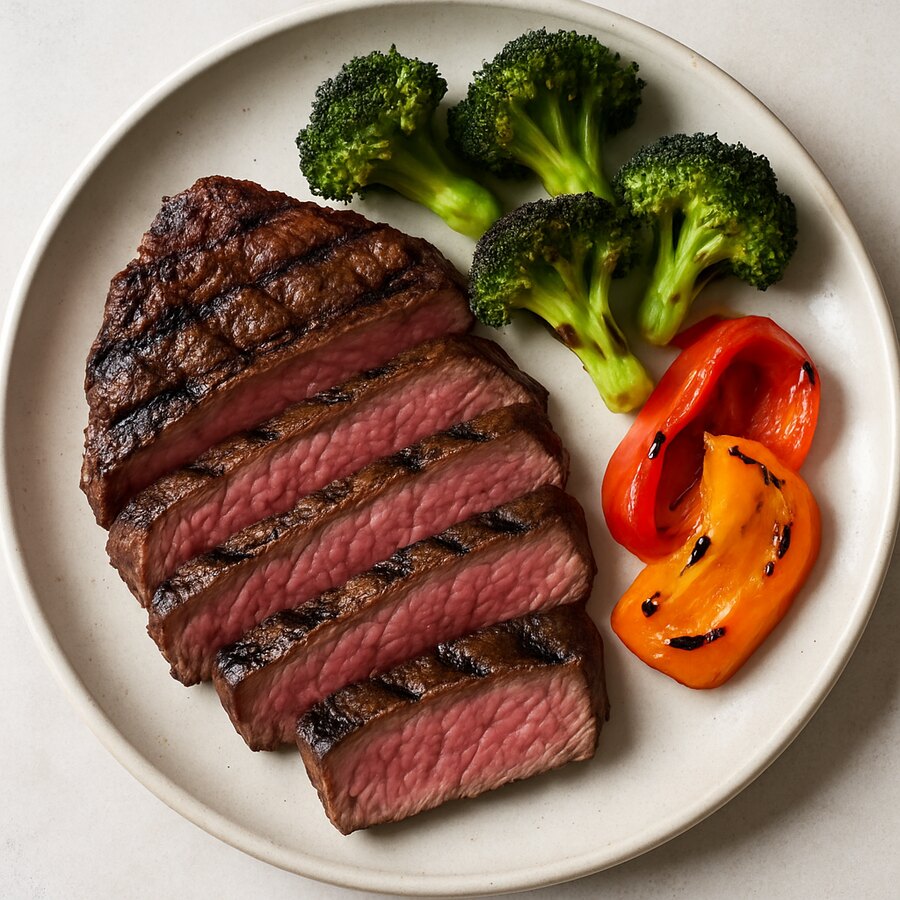
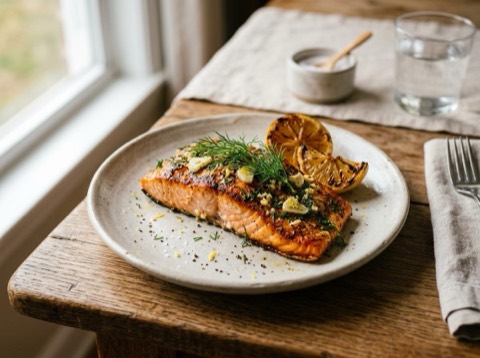
How long things keep: USDA notes that food kept constantly at 0°F stays safe indefinitely — time only affects quality. For best quality, USDA's storage guidance runs roughly three to four months for ground meat, about nine months for chicken pieces and up to a year for a whole chicken, four to twelve months for steaks, and around two to three months for soups, stews and fatty fish such as salmon. Lean fish keeps longer than fatty fish.
Thaw in the fridge whenever time allows; it keeps the whole item out of the temperature range where bacteria multiply. When it does not, use a sealed bag in cold water changed every 30 minutes, or the microwave — and cook food thawed either of those ways right away. Never thaw on the counter. Raw food thawed in the fridge can be refrozen, though it may lose some quality; food thawed in cold water or the microwave should be cooked before it goes back in the freezer.
The habit that makes a freezer useful is the inventory. A freezer nobody has mapped is where food goes to be forgotten. Label everything with contents and date, keep a running list on the door, and cook from it deliberately every couple of weeks. Storage without retrieval is just a slower trash can.