
Eating Well on a GLP-1 Medication: What to Track
On a GLP-1 medication, eating less is the easy part. What to log — protein, fluids, portions and how you feel — to bring useful notes to your care team.
The NTRLY Team
Digital Summit LLC
6 min read
GLP-1 medications have changed how many people approach weight and blood sugar. One effect people notice quickly is that appetite drops — sometimes a lot. That can make eating less feel effortless, but it also creates a new challenge: when you are eating much less food, what you do eat matters more.
A note before anything else. This article is about food and habits, not medication. Your prescriber decides your medication, your dose and any changes to them. Nothing here is a substitute for their advice, and if you have side effects or questions about the medication itself, they are the right person to ask.
Why tracking helps on a GLP-1
Tracking isn't about restricting further — for many people on these medications, eating enough of the right things is the harder problem. A simple log helps you notice patterns you might otherwise miss: days when protein was very low, days when you barely drank anything, meals that sat badly. It also gives you specific notes to bring to appointments, which is far more useful than trying to remember how the last month went.
1. Protein at every meal
When you're eating less overall, protein can fall short without you noticing. That matters because when people lose weight, some of that loss can come from muscle as well as fat. Your care team may give you a protein goal; if they have, use it. If not, it's worth asking them about one.
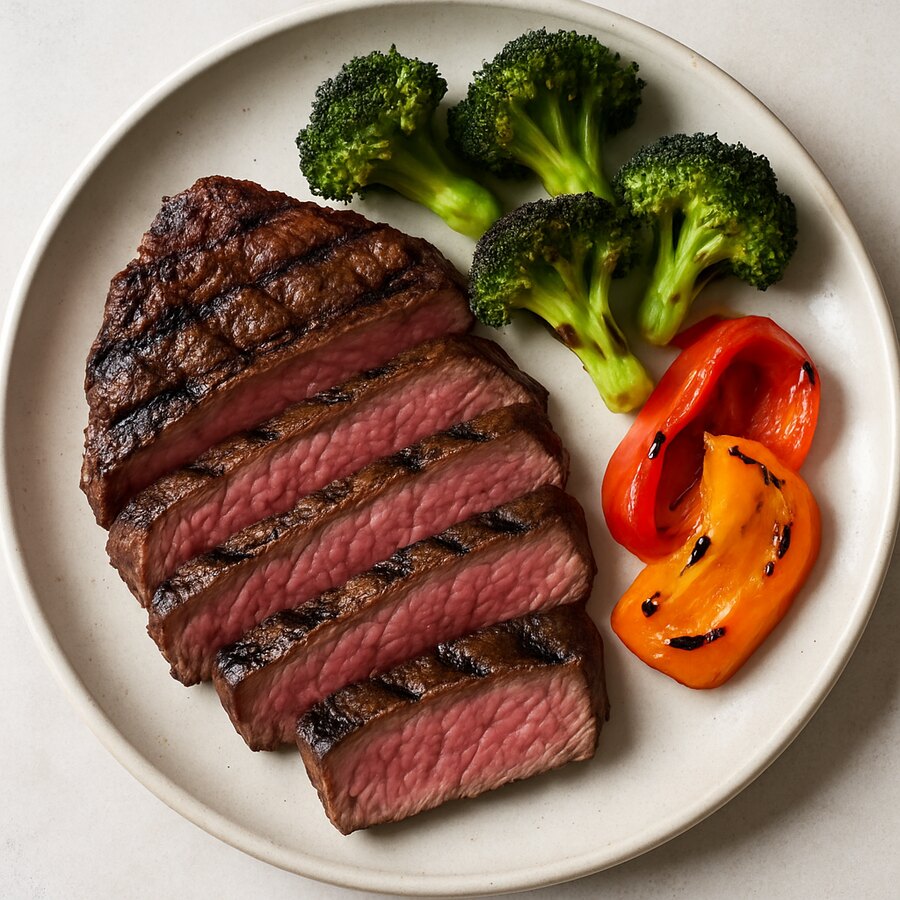
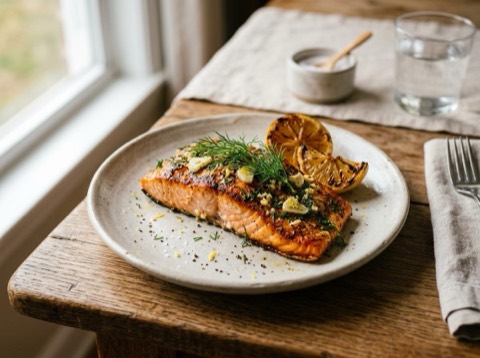
In practice, smaller appetites do best when protein comes first. Eat the protein part of the plate before the rest. Choose easy, soft or cold options on days when big meals don't appeal: Greek yogurt, cottage cheese, eggs, tofu, fish, chicken, beans and lentils, or milk. Logging protein specifically — not just calories — is the clearest way to see whether you're getting enough.
2. Fluids
Reduced appetite often comes with reduced thirst, and a lot of everyday water intake normally comes from food. When you eat less, you can end up drinking less without realizing it. Some people also find that dehydration makes them feel worse on these medications. Keep a water bottle within reach, drink steadily through the day rather than all at once, and log your fluids so you can see the pattern. If you have any condition that affects how much fluid you should drink, follow your doctor's guidance.
3. Smaller portions, eaten slowly
Many people find that their old portion sizes no longer fit. Eating past fullness on a GLP-1 medication can be uncomfortable, so it helps to plan for smaller plates: serve less, eat slowly, and stop at the first sign of fullness rather than finishing what's there. You can always have more later. Some people find several small meals easier than three larger ones.
It can also help to notice which foods sit well. Many people find very rich, greasy or heavily fried meals harder to tolerate. A quick note in your log next to a meal — "felt fine," "too full," "queasy after" — will tell you more after a few weeks than any general list.
4. How you feel
This is the part most food trackers skip, and it's often the most useful. A short daily check-in on appetite, energy, fullness and any side effects such as nausea or constipation creates a record you can share with your prescriber. Patterns that are hard to describe from memory become obvious when they're written down: side effects that cluster on certain days, low energy on days when you ate very little, or appetite that changes over the course of the week.
If you have side effects that are severe, persistent or worrying — or any symptoms your prescriber told you to watch for — contact your care team promptly rather than waiting for your next visit.
5. Fiber and nutrient quality
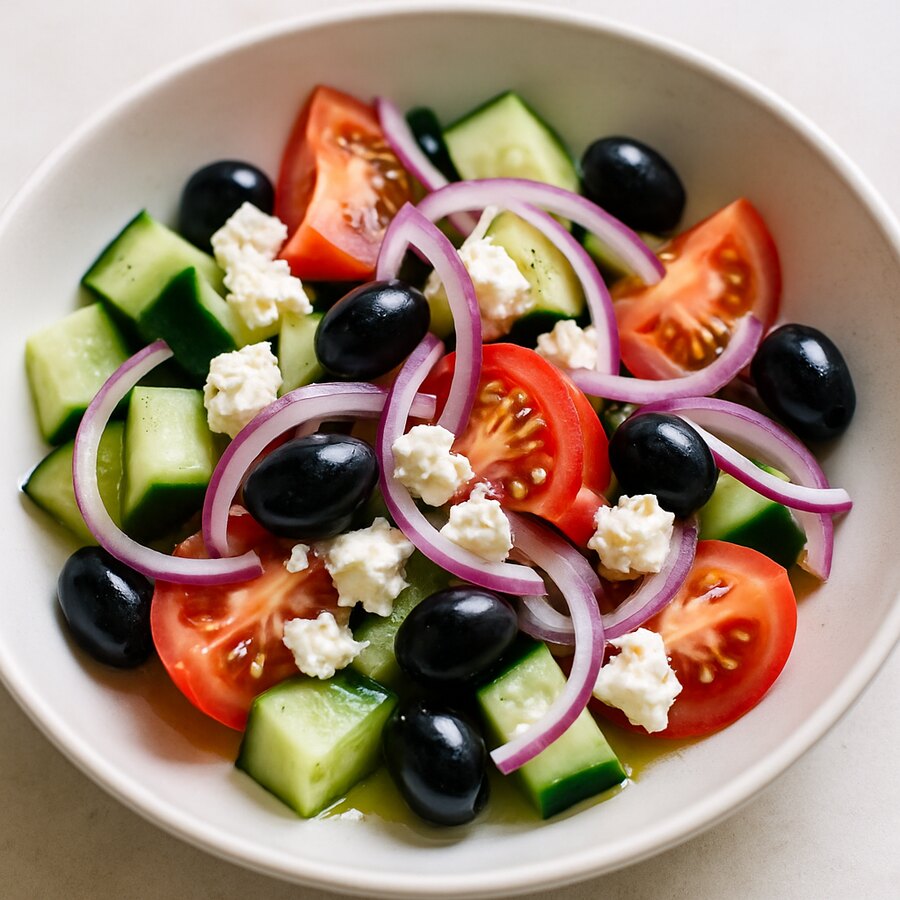
With less room on the plate, every bite has more work to do. Vegetables, fruit, whole grains, beans and lentils bring fiber, vitamins and minerals. Fiber matters for digestion, but if constipation is a problem, increase it gradually and drink enough fluid alongside it. Ask your care team whether you need any supplements rather than guessing.
6. Weight, measured calmly
Weight is one of the things your care team will look at, but daily numbers bounce for reasons that have nothing to do with fat loss. Weighing on a consistent schedule — same time of day, same conditions — and watching the trend over weeks gives you a clearer picture than any single reading. Many people also find it useful to track strength or how their clothes fit, since those reflect changes the scale can't.
7. Keep moving, and include strength
Regular physical activity supports health at any weight, and strength training is one of the best ways to help preserve muscle as you lose weight. Walking counts. If you're new to exercise or have health conditions, check with your doctor about what's appropriate for you.
Bring it to your appointments
The value of all this tracking shows up when you share it. A summary of your protein and fluid intake, a few weeks of check-ins and your weight trend gives your prescriber or dietitian a much clearer picture than "I think it's going okay." It turns a short appointment into a productive one.
GLP-1 support in NTRLY
NTRLY includes a GLP-1 section where you can log your doses and injection sites as your prescriber directed, record quick appetite check-ins, and see your weight next to your dose history. Your food diary shows protein and fluids alongside calories. Hey Coach can help with meal ideas, but it never gives medication advice — questions about your medication always go to your prescriber.